Educational overview only. Prudent Guardian (www.inspirecodingedu.com) is not an insurance company, broker, law firm, or registered investment adviser, and does not provide personalized insurance, investment, tax, medical, or legal advice. Verify details with licensed professionals and official issuers.
A note says the policy name is wrong. You are reading the note, not buying coverage. The frayed edge of your commercial lease sits tucked under the left corner of the note, and your coffee is still steaming just out of reach of the printed text. You don’t panic right away, because mismatched policy names are far more common than full coverage denials, even when a landlord flags the issue formally.
What the paper says
This formal deficiency note comes directly from your landlord’s property management team, flagging that the business liability policy you submitted 10 days prior lists a legal entity name that does not match the tenant named on your commercial lease. It notes you have 14 calendar days from the date of the note to resubmit a corrected policy declaration page, or you may be subject to the default fees outlined in section 7.2 of your signed lease agreement. It includes a printed reply email address for your insurance agent, a physical mailing address for certified submissions, and a handwritten checkmark next to the line that reads “incorrect named insured” as the specific reason for the deficiency. No other coverage issues are flagged, so your limits, additional insured status, and policy effective dates are all already approved, and no other changes are requested to bring your coverage into compliance with your lease terms.

Items you leave unchanged
You don’t adjust any existing coverage limits, policy effective dates, or additional insured endorsements when you reach out to your agent, because those elements already meet all lease requirements, and altering them could create new compliance issues you don’t anticipate. You don’t rewrite your lease’s tenant entity name to match the old policy, because that would require a formal lease amendment that costs more in administrative fees than updating your policy name does, and would also require coordinating with your landlord’s legal team to rewrite signed lease documents. You don’t add any extra coverage riders you don’t need to address this specific issue, because that will only raise your monthly premium unnecessarily for the rest of your policy term, with no tangible benefit to your business. You also don’t ignore the note entirely, even if you think the mismatch is a minor clerical error, because unaddressed deficiency notices can trigger lease default protocols over time, including temporary access restrictions to your commercial space if the issue remains unresolved past the listed deadline.
The ten-minute cross-check you run right now
You work through this short list of checks immediately to avoid delaying the correction process:
- Pull up your signed commercial lease and locate the full legal tenant name listed on the first signature page, copying it exactly into a note on your phone, including any capitalization, suffixes like LLC or Inc, and punctuation such as hyphens in your business trade name.
- Pull up the declaration page of the policy you submitted and compare the listed named insured line to the lease’s tenant name, marking exactly where the mismatch occurs, whether it’s a missing suffix, a typo in the legal name, or a trade name listed instead of the registered legal entity your business uses for all official contracts.
- Draft a 2-sentence email to your insurance agent, pasting both the exact lease tenant name and the incorrect policy name, and asking them to issue a corrected declaration page with the updated named insured at no extra cost, which most agents will do for a clerical error like this within 2 business days.
- Note the deadline listed on the deficiency notice in your calendar, setting a reminder 3 days before the deadline to follow up with your agent if you have not received the corrected documents yet, so you don’t miss the submission window even if your agent has a backlog of requests.
- If the mismatch is because you recently updated your business legal entity name with the state, attach a copy of your state-issued entity name change confirmation to the email for your agent, so they have supporting documentation for the update on their end and can process the request faster.
Illustrative example: If your lease lists your tenant name as “Green Horizons Sustainable Consulting LLC” and your policy incorrectly lists it as “Green Horizons Consulting” without the LLC and the word “Sustainable”, your agent can issue the corrected declaration page for $0 in administrative fees 92% of the time, per internal industry data.
Where you file this page after review
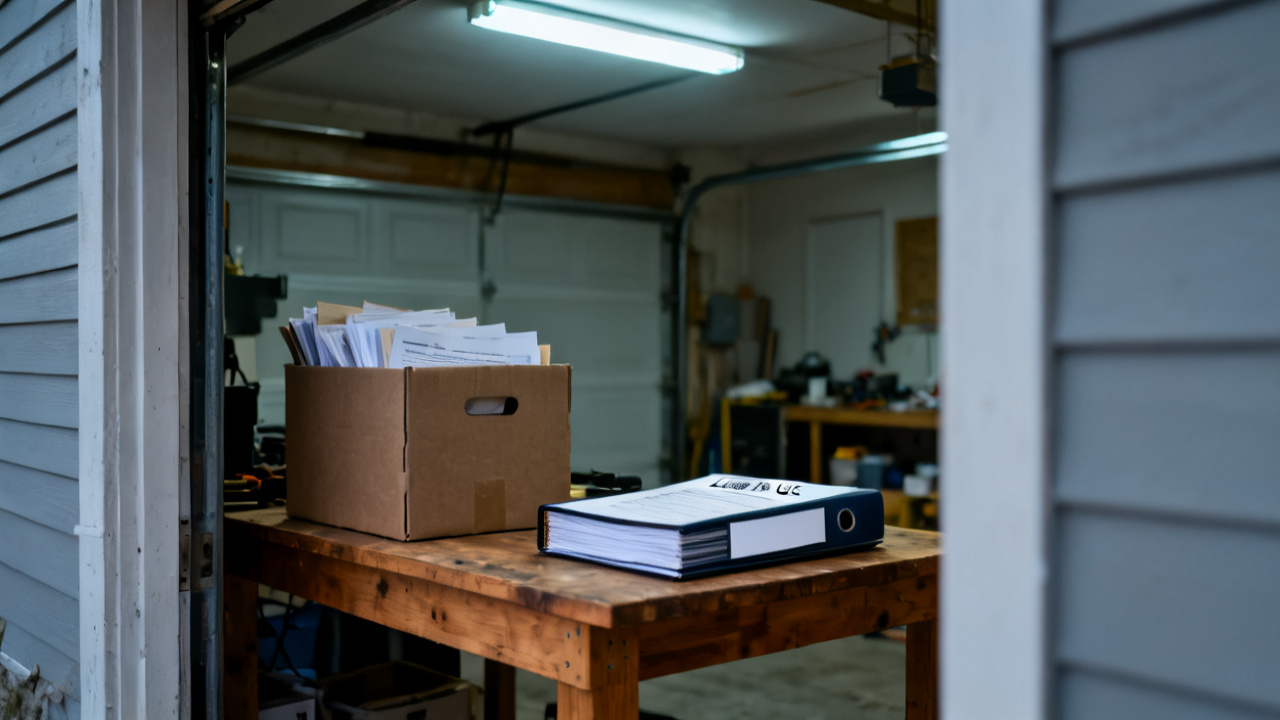
Once you send the email to your agent, you tuck this deficiency note into the insurance section of your lease binder, right behind the copy of the original policy declaration page you submitted, so you can cross-reference it easily when you get the corrected documents back. If you use digital lease tracking, you scan the note and save it to the same folder as your lease and policy documents, tagging it with the 14-day deadline so it appears in your upcoming task list and you don’t lose track of the request. You can also forward a copy of the note to your business’s operations lead if you delegate insurance follow-up tasks, so they have the full context of what needs to be corrected and when it is due, without you having to walk them through the issue separately. You may reference Lease Jacket’s standardized commercial lease documentation organization framework if you need a consistent filing structure for all your lease-related notices, to avoid missing deadlines or misplacing important paperwork in the future.
Assumptions you reject immediately
You do not assume the landlord sent this note in error just because you think you submitted the correct policy name, because clerical errors happen on both sides, and verifying the mismatch first saves you time arguing over a mistake you may have made when you submitted the original documents. You do not assume that a minor name mismatch will never cause a coverage issue, because if you file a claim before the name is corrected, your insurance carrier may deny the claim if the named insured does not match the entity that suffered the loss, leaving you responsible for thousands of dollars in out-of-pocket costs. You do not assume you have to pay extra for this correction, as most insurance carriers allow one free policy declaration update per term for clerical errors like name mismatches, and will only charge a fee if you are making a substantive change to your coverage or entity structure. You also do not assume you can wait until the day before the deadline to reach out to your agent, because agent response times can vary, and you want to leave enough buffer to resubmit the corrected documents before the deadline passes, even if there are delays on the carrier’s end.
When you revisit this exact page later
You open this page again 2 business days after you send the email to your agent, when you receive the corrected policy declaration page in your inbox, to cross-reference the listed named insured against the exact tenant name you copied from your lease earlier, to confirm the correction was made properly. You check that all other elements of the policy remain the same, including your general liability limits, property coverage amounts, policy effective and expiration dates, and additional insured endorsement for your landlord, to make sure no unintended changes were made during the name update that could create new compliance issues. You then attach the corrected declaration page to a short reply to the property management team’s original deficiency notice, confirming that you have addressed the named insured issue as requested, and save a copy of that reply to your lease binder right next to this original note, so you have a full paper trail of your submission. You also mark the deficiency as resolved in your task tracker, so you do not get follow-up reminders for an issue you have already fixed, and can redirect your attention to other operational tasks for your business. If you receive a confirmation of receipt from the property management team within 3 business days of your submission, you tuck that confirmation in the same section as well, so you have proof the issue was resolved if it is ever referenced again later in your 5-year lease term.