Educational overview only. Prudent Guardian (www.inspirecodingedu.com) is not an insurance company, broker, law firm, or registered investment adviser, and does not provide personalized insurance, investment, tax, medical, or legal advice. Verify details with licensed professionals and official issuers.
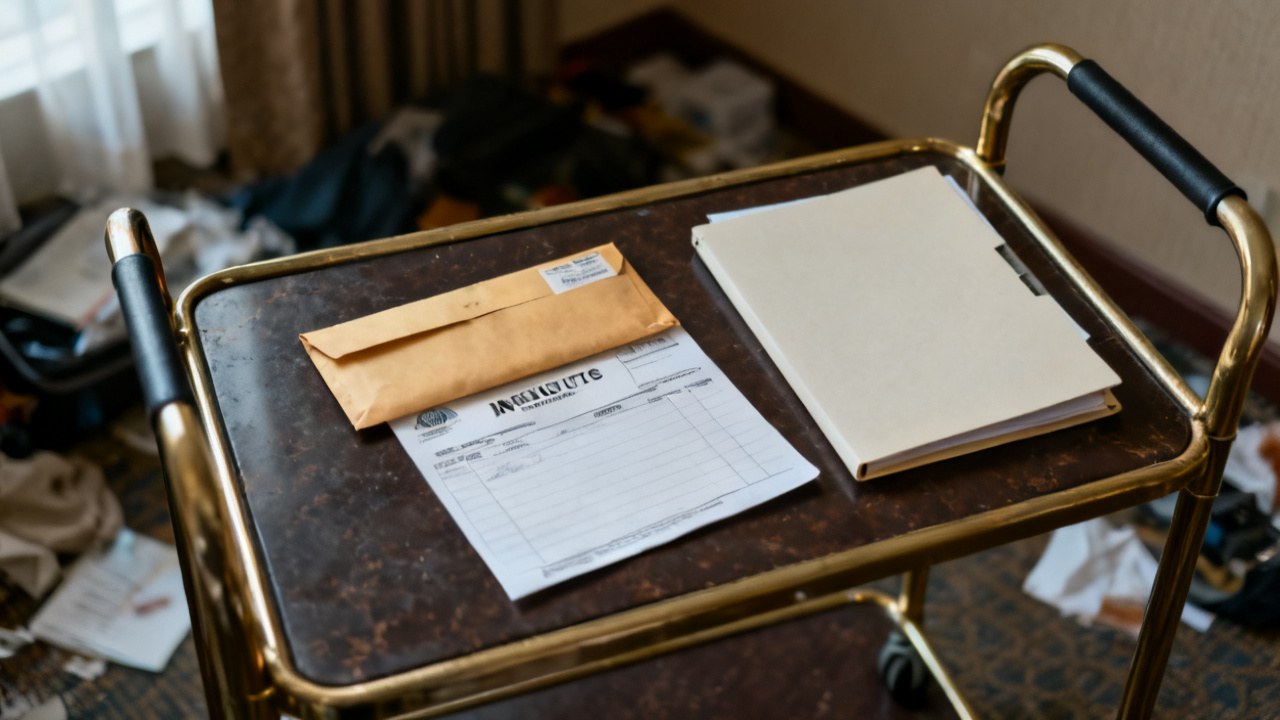
The bill uses the old name. Your name is on the lease. You set the crumpled utility invoice next to your signed commercial lease copy on the table in front of you, the postmark dated three weeks after you took occupancy of the space. The charge is for a service period that overlaps your first four days in the building, plus a late fee accrued when the prior tenant never forwarded or paid the original notice. You tap the line item for the unpaid balance, already mentally mapping the pieces of this conflict you need to resolve before the provider sends the delinquency to a commercial credit bureau that tracks your business.
Cross-reference the charge with your formal lease terms
You pull the exact clause in your lease that outlines responsibility for pre-occupancy service charges, running your finger along the fine print to find the relevant section. Most commercial leases explicitly state that the landlord or prior tenant covers all utility, common area, and vendor fees incurred before your lease start date, but you need to confirm the exact wording specific to your agreement to avoid taking on a cost you did not agree to. Highlight that clause with a neon pen right on your lease copy, then note the lease start date next to the service period printed on the bill so you can easily reference the overlap when you bring the issue to other parties. You also pull your move-in inspection paperwork to confirm the date you took physical possession of the space, as that paperwork is often considered supplementary proof of occupancy start if there is any dispute about the formal lease date.

Draft a short note to your property manager for context
You do not need to write a long, formal letter here, but you do need to include specific details that make it easy for your property manager to pull the prior tenant’s file and resolve the charge quickly. Include the exact invoice number, the service period, the outstanding balance, and a reference to the lease clause you highlighted that confirms you are not responsible for pre-occupancy charges. Offer to share a scanned copy of both the invoice and your highlighted lease clause if they need it for their records, and ask them to confirm within 7 business days that they are addressing the charge either directly with the vendor or with the prior tenant, who likely still has a security deposit on hold with the property management team for outstanding costs like this. Avoid assuming the property manager already knows about the charge, even if they coordinate utility transfers for the building, as many teams manage hundreds of tenant accounts and rarely see individual late notices sent directly to the space address.
Document every interaction tied to this outstanding charge
You track every step you take related to this bill so you have a clear paper trail if the delinquency ever appears on your business credit report, or if the vendor attempts to send the balance to collections under your business name. Illustrative example: If the total outstanding balance on the invoice is $482, and the daily rate for the service works out to $16, you only owe $240 for the 15 days of the service period you occupied the space, while the remaining $242 is the prior tenant’s responsibility. You can upload copies of the bill, your highlighted lease clause, and all interaction logs to Lease Jacket for secure, easy access whenever you need to reference them. Use the following table to log every touchpoint tied to the charge:
| Date of Interaction | Party Contacted | Summary of Conversation | Follow-Up Action Required | Deadline for Follow-Up |
|---|---|---|---|---|
| 10/12/2024 | Utility provider customer service | Confirmed invoice was sent to property address for service period 9/15/2024 – 10/15/2024 | Submit formal dispute of charges incurred before 10/1/2024 (your lease start date) | 10/19/2024 |
| 10/13/2024 | Property management lead | Shared invoice copy and highlighted lease clause | Confirm property will coordinate payoff of pre-10/1 balance with prior tenant | 10/20/2024 |
| 10/14/2024 | Prior tenant operations lead | Sent invoice copy via certified mail | Request confirmation of intent to pay pre-10/1 balance within 10 business days | 10/24/2024 |
Store all scanned copies of these interactions in a single folder on your computer so you can pull them up in seconds if you need them later, no digging through piles of paper on your desk.
Send a copy of the invoice to the prior tenant’s registered business address
You find the prior tenant’s registered address via your state’s secretary of state business search database for free, in most cases, and sending the notice via certified mail gives you proof that they received the invoice, if you ever need that proof later. Keep your note to the prior tenant short and factual, no emotional language about the late fee or the hassle this is causing you, just state that you received the invoice for the overlapping service period, reference your lease start date, and ask them to pay the portion of the balance tied to the days they occupied the space, plus any associated late fees accrued before your move-in date. If you have contact information for their operations or finance lead, you can also send a copy via email for faster response, but always send the physical certified copy first to create a formal paper trail. You do not need to negotiate with the prior tenant if they push back on the charge, you can simply refer them to the property management team, who holds their security deposit and is already aware of the outstanding balance.
Pull this page back up when you receive a response to either outreach
When you get an email, call, or mailed response from the property manager, the prior tenant, or the utility provider, you can reference the logs you already built to track next steps without starting over from scratch. If the property manager confirms they will pay the pre-occupancy portion of the balance, note that in your log and follow up in 10 business days to confirm the payment was posted to the utility account so no late fees accrue under your name. If the prior tenant confirms they will submit payment directly to the provider, ask them to send you a copy of the payment confirmation for your records, and mark that request in your follow-up log. If the utility provider approves your dispute and removes the pre-occupancy charges from your account, you can scan the confirmation letter and add it to your folder to resolve the issue entirely. If you do not get a response from any party by the follow-up deadlines you set, you can adjust your log to reflect a second round of outreach, including a more formal notice to the property management team that you expect the issue to be resolved before the next billing cycle. No matter what response you get, you already have all the proof you need to confirm you are not responsible for the portion of the bill tied to the prior tenant’s occupancy, so you do not have to worry about unexpected costs or hits to your business credit if you follow the steps you already outlined. You can also add new rows to your interaction table as you complete new tasks, to keep your paper trail updated and accurate every step of the way.