Educational overview only. Prudent Guardian (www.inspirecodingedu.com) is not an insurance company, broker, law firm, or registered investment adviser, and does not provide personalized insurance, investment, tax, medical, or legal advice. Verify details with licensed professionals and official issuers.
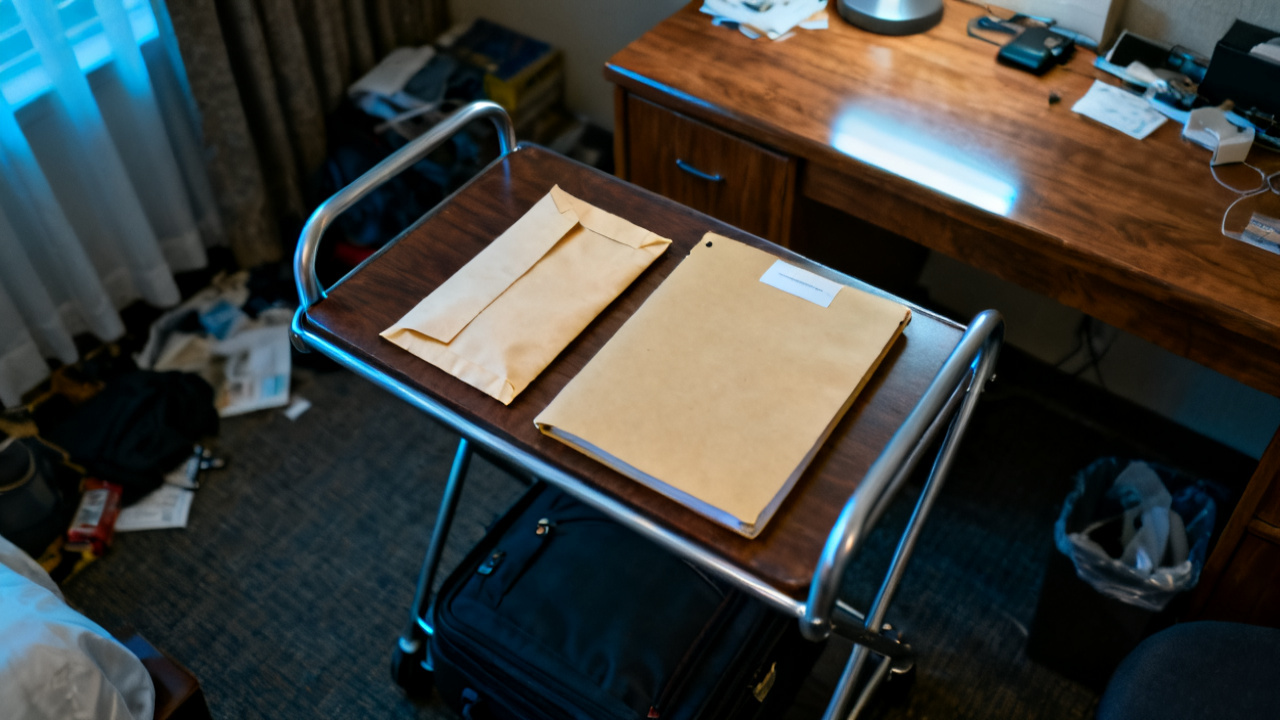
An envelope is in your hand. The notice address is a block on the last pages. You’re mid-review of your commercial lease renewal paperwork, and you just realized the handwritten return address on the envelope your landlord sent last week doesn’t match the typed block you’re staring at near the end of your lease document. You flip the envelope over again to double check, squinting at the smudged ink near the zip code, and cross reference it with the all caps section labeled “NOTICES” three pages back from the signature line of your original executed lease. A faint sense of uncertainty nags at you, because you need to send your intent to renew by the end of the week and you don’t want it to get lost or rejected for being sent to the wrong location.
Name the Two Address Lines You Are Comparing
You are comparing two distinct addresses that serve very different purposes for your tenancy, and mixing them up can lead to missed deadlines or unacknowledged requests. The first line is the address printed or handwritten on the envelope in your hand, which almost always comes from the property’s day-to-day point of contact, whether that is an on-site manager, a third-party management company, or a billing processing vendor. The second line is the formal notice address block written into your signed lease, which is the address both parties explicitly agreed to use for all official, time-sensitive correspondence when you executed the lease. The table below breaks down the core differences between the two to eliminate confusion:

| Category | Envelope Address | Lease Notice Address Block |
|---|---|---|
| Source | Printed or handwritten on incoming correspondence from the property owner or their representative | Typed, included in the official executed lease document signed by both you and the property owner |
| Typical Use | Sending rent payments, returning non-official forms, contacting on-site staff for day-to-day maintenance requests | Sending time-sensitive, contractually required notices that trigger lease terms or deadlines, including renewal requests, rent increase objections, and lease termination notices |
| Update Requirement | Can change at any time without formal written amendment to the lease, for example if the property switches to a new rent processing vendor | Only changes if both parties sign a formal lease addendum explicitly documenting the new official notice address |
Many property owners use separate teams for general operations and formal lease administration, so the envelope address may be a local field office or a PO box for general mail, while the notice address could be a legal department office in a different city entirely. Both addresses are useful, but they are not interchangeable for all types of correspondence.
Mark Which Address Takes Precedence For All Official Correspondence
The lease notice address block always takes precedence for any correspondence that ties to a defined deadline or contractual right outlined in your lease. The envelope address is only acceptable for general, non-time-sensitive requests that do not impact your lease terms, like asking for a copy of the most recent building safety inspection report or requesting an extra access fob for a new employee.
Illustrative example: If your lease requires you to submit an intent to renew no later than 92 days before your lease end date, sending that notice to an unconfirmed envelope address that is not listed in the notice block can result in your renewal request not being acknowledged, even if you postmark it 10 days ahead of that cut-off.
You can mark this page right now to avoid future mix-ups: highlight the full notice address block in neon yellow, cross out any casual notes of other addresses you jotted down in the margin earlier, and write a small note next to the block that says “OFFICIAL NOTICE ADDRESS ONLY FOR DEADLINE-DRIVEN REQUESTS” so you never second-guess which one to use for critical mail. If you want to confirm the address is still active before you send your renewal notice, you can send a short test note via certified mail first to verify receipt, but this is optional if you have a signed lease addendum dated within the last 12 months confirming the address is current. If you have stored a copy of your lease details in Lease Jacket, take 30 seconds now to confirm the notice address saved in your profile matches the block on the page exactly, so you get accurate alerts for upcoming notice deadlines tied to that address.
File This Printed Lease Page With Your Active Property Records
You don’t need to keep your entire 75-page lease handy for every small task related to your space, but this single annotated page, with a copy of the envelope’s return address taped to the back, belongs in the front of your active property records folder for this location. Separate it from utility bills, rent receipts, and maintenance work orders so you can pull it in 30 seconds or less whenever you need to reference the official address. If you share property management responsibilities with a business partner or admin team, make a second copy of this annotated page to give to them, so everyone who sends correspondence on your behalf knows which address to use for which type of request. This prevents costly mistakes from a team member using the wrong address they pulled from a random envelope they received last month, rather than the formal address in the signed lease. If you keep physical records, place this page in a clear plastic sheet protector at the front of your lease binder for this property, so it is the first thing you see when you open the binder, no fumbling through hundreds of pages of addenda and receipts to find the address you need. For digital records, scan the annotated page and the front of the envelope, name the file with your property street address and “official notice address”, and tag it with keywords like “lease contact” and “official correspondence” so it pops up immediately in any search for these terms in your cloud storage system.
Reference This Annotated Page When You Send Future Lease Notices
The next time you open this same page, you will likely be preparing to send a formal notice tied to your lease terms, whether that is an objection to a proposed common area fee increase, a request for a lease modification to add extra square footage, or a notice of intent to terminate at the end of your current term. Before you print your notice or purchase postage, confirm the address you plan to use matches the highlighted block exactly, including any suite numbers, attention line details, or PO box identifiers listed. If you are sending a notice with a hard deadline, send it via certified mail with return receipt requested, and write the certified mail tracking number, send date, and notice type in the blank margin of this page next to the address for your records. This creates a single, centralized record of all official correspondence you send related to the lease, so you never have to search through old email threads or shipping receipts to find proof you sent a notice on time. If you later receive a new envelope with a different return address from the property team, or a note that the property has switched management companies, wait to adjust your records on this page until you receive a signed, formal lease addendum that explicitly updates the official notice address block. When you receive that addendum, tape a copy to the back of this page and highlight the new address to keep your records current for all future correspondence.